
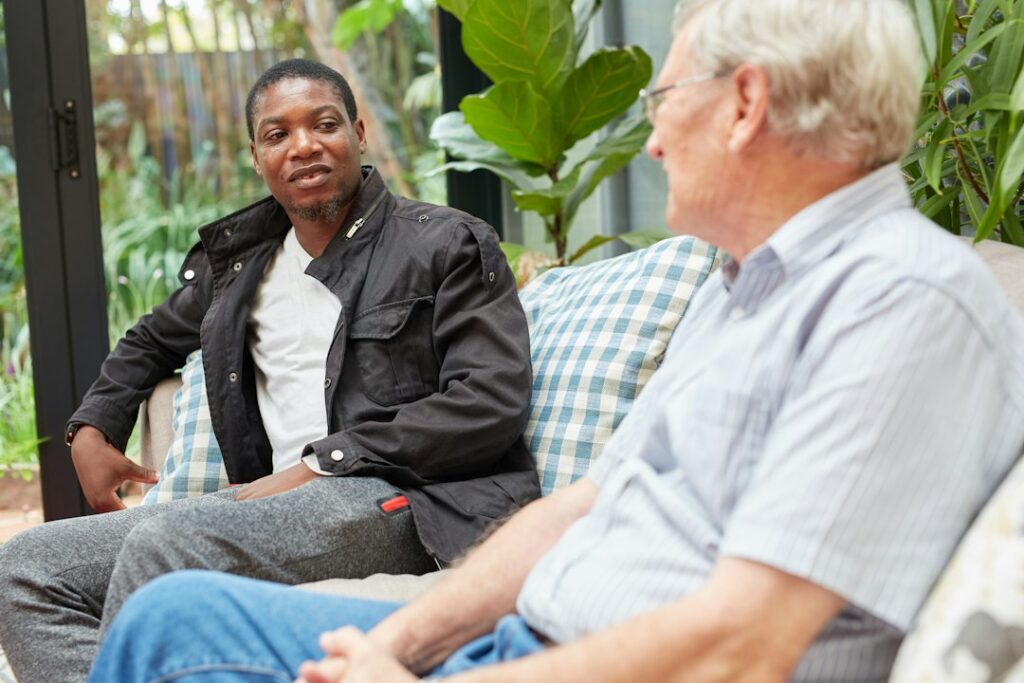
Assisted living communities bring together residents, families, visitors, and staff with different habits, expectations, health conditions, and communication styles. Disagreements can arise over noise, shared spaces, personal belongings, schedules, care routines, visitors, or misunderstandings.
Conflict does not always mean that someone is behaving badly or that a living arrangement has failed. Often, it signals that a concern has not yet been clearly explained or fairly addressed. The goal is to protect dignity, safety, and daily comfort while finding a workable solution.
What types of conflict are common in assisted living?
Most disagreements involve everyday routines, shared spaces, communication, or changes in ability. Common examples include:
- Noise from televisions, conversations, phones, or activities
- Disputes about room temperature, lighting, or window coverings
- Confusion about dining arrangements, transportation, or activity schedules
- Concerns about a roommate, shared bathroom, or personal space
- Arguments involving family members or frequent visitors
- Frustration about reminders, medication routines, bathing, or mobility assistance
- Missing, moved, or mistakenly shared personal items
- Tension caused by memory loss, hearing difficulty, pain, fatigue, or anxiety
A behavior that appears rude or intentional may have another explanation. Hearing loss can make a person seem unresponsive. Dementia-related changes can affect judgment, impulse control, and memory. Pain, dehydration, infection, poor sleep, medication effects, or emotional distress may also lead to irritability or sudden changes in behavior.
How should a resident respond during a disagreement?
The safest first step is to pause rather than argue. A calm response can prevent a minor concern from becoming a larger confrontation.
If the situation is not dangerous, the resident can:
1. Move to a quieter area if possible.
2. Take a few slow breaths and allow time for emotions to settle.
3. Use a short, specific statement about the problem.
4. Describe the effect of the behavior without insulting the other person.
5. Ask for a practical adjustment.
For example, “The television is making it hard for me to rest. Could the volume be lowered after dinner?” is more likely to lead to cooperation than “You are always inconsiderate.”
Statements beginning with “I” can help keep the conversation focused:
- “I feel uncomfortable when my belongings are moved.”
- “I need more time to understand what is being asked.”
- “I would like to discuss this when we are both calmer.”
- “I am concerned about safety in this hallway.”
A resident does not have to continue a conversation that feels threatening. It is acceptable to say, “I need assistance resolving this,” and ask staff to help.
What should family members do when a conflict involves a loved one?
Family members can help by listening carefully before deciding who is at fault. A resident may describe an event differently because of memory changes, fear, confusion, or difficulty hearing. That does not mean the concern should be dismissed. It means the situation may require patient fact-finding.
Family members should ask:
- What happened immediately before the disagreement?
- Has this behavior occurred before?
- Was the resident tired, in pain, ill, or unusually confused?
- Were there changes in medication, routine, roommate arrangements, or staffing?
- Did anyone witness the event?
- What outcome would make the resident feel safer or more comfortable?
It is usually better to discuss concerns privately with appropriate staff instead of confronting another resident or family member directly. Public accusations can increase embarrassment and defensiveness, especially in shared dining or activity areas.
A written record can help identify patterns. Note the date, approximate time, people involved, what occurred, possible triggers, and how the issue was resolved. The purpose is not to build a case against someone; it is to make repeated problems easier to understand.
How can staff help resolve a disagreement?
Staff can serve as neutral facilitators, clarify policies, identify health-related causes, and help residents express their needs. A useful response usually begins with listening to each person separately, then identifying the specific issue rather than treating the conflict as a personality dispute.
For example, “They do not get along” is less useful than:
- The room is noisy during rest periods.
- A walker is being left in a shared walkway.
- A resident believes clothing or toiletries are being taken.
- Two people disagree about seating at meals.
- A resident becomes distressed during personal-care reminders.

Staff may be able to adjust routines, reduce environmental triggers, clarify boundaries, change seating or room arrangements, involve a nurse, or arrange a care-plan discussion. If the conflict relates to memory loss or a medical concern, the response may need to focus on reassurance, assessment, and prevention rather than discipline.
Residents and families should ask what steps will be taken, who will monitor the situation, and when the concern will be reviewed. Clear follow-up is especially important when a problem continues after an initial conversation.
What if the conflict involves bullying, harassment, or abuse?
Repeated insults, intimidation, threats, unwanted touching, deliberate isolation, theft, or retaliation should not be treated as ordinary disagreement. A resident who feels unsafe should report the concern promptly to a responsible staff member or supervisor and ask that it be documented.
Immediate danger requires urgent action. Move away from the person if possible, alert nearby staff, and call 911 when there is an immediate threat of serious injury, violence, or a medical emergency.
Possible warning signs of abuse or neglect include unexplained injuries, sudden fear around a particular person, missing money or belongings, poor hygiene, untreated medical needs, or a noticeable change in mood. Concerns should be reported even if the resident is unsure what caused them. Memory problems or communication difficulties should never be used as a reason to ignore a safety complaint.
Retaliation is also a serious concern. A resident should not lose access to meals, activities, visitors, belongings, or needed care because a complaint was made.
How can assisted living communities prevent conflict?
Prevention begins with clear expectations and respectful communication. Residents benefit from knowing quiet hours, visitor rules, shared-space guidelines, complaint procedures, and how to request changes to care routines.
Helpful practices include:
- Using large-print or easy-to-understand written information
- Checking hearing aids, glasses, and communication needs
- Providing adequate lighting and uncluttered walkways
- Offering choices when possible instead of issuing unnecessary commands
- Keeping schedules predictable while explaining unavoidable changes
- Allowing private conversations about sensitive concerns
- Reviewing care plans when behavior or needs change
- Recognizing that seasonal conditions can affect routines, especially during hot, cold, or icy weather
In Fleetwood, PA, winter conditions may make entrances, walkways, transportation arrangements, and indoor activity spaces more important to daily comfort. Crowded indoor areas during poor weather can increase noise and frustration, so advance communication about schedule changes and safe movement can reduce avoidable tension.
When should a concern be escalated?
A concern should be escalated when it involves injury, threats, suspected abuse, medication problems, repeated harassment, discrimination, unsafe conditions, or a pattern that has not improved after reasonable attempts to resolve it.
Residents or families can ask for a meeting with the appropriate supervisor and bring a concise written summary of the concern. Focus on observable facts, dates, witnesses, and requested safety measures. If a resident has a legal representative or decision-maker, that person may need to participate in care discussions according to the resident’s rights and preferences.
The most constructive approach is firm, specific, and respectful: explain what happened, describe the effect on the resident, identify the safety or care concern, and ask what will happen next. Conflict may not disappear completely, but timely attention can keep disagreement from becoming fear, isolation, or preventable harm.
