

What Do Social Workers Do in Assisted Living Communities?
Social workers play a unique and essential role in assisted living environments by helping residents navigate daily challenges while supporting overall well-being. In Fleetwood, PA, their responsibilities often include providing emotional support, aiding with care transitions, advocating for residents’ rights, and connecting individuals to vital resources.
Unlike medical staff, social workers focus primarily on the social and emotional factors that affect quality of life. Their expertise bridges the gap between healthcare, daily living, and community connections, making them crucial members of the care team.
How Do Social Workers Help Residents Adjust to Assisted Living?
Adapting to assisted living can be a major life change, particularly for those moving from long-standing homes in Fleetwood. Social workers provide direct support by:
- Listening to residents’ concerns about the transition
- Facilitating conversations between residents and family members
- Helping residents understand their new environment, routines, and available support systems
For many, leaving familiar neighborhoods can be stressful or lonely. Social workers offer reassurance, promote friendships within the community, and suggest coping strategies for homesickness or anxiety. Their understanding of local traditions, values, and social expectations also makes these professionals particularly supportive for residents unfamiliar with communal living.
What Types of Support Can Social Workers Provide?
Support covers a broad range of needs, beyond what medical or care staff typically address. Social workers in Fleetwood assist residents by:
- Assessing individual strengths, needs, and goals
- Developing personalized care or service plans
- Counseling for grief, depression, or adjustment issues
- Mediating family disagreements about care preferences or finances
- Connecting residents to local senior groups, volunteer opportunities, or faith communities
They’re often the first point of contact when residents face non-medical struggles, such as the loss of a loved one, declining mobility, or social isolation. Social workers strive to coordinate practical and emotional resources to keep residents engaged and supported.
How Are Social Workers Involved During Health or Life Transitions?
When a resident’s physical or cognitive needs increase, transitions—such as moving to a different level of care—are sometimes necessary. Social workers guide residents and families through these changes by:
- Explaining options for higher levels of support, including memory care or skilled nursing
- Coordinating with doctors, nurses, and rehabilitation staff on needed care adjustments
- Facilitating conversations about medical directives, living wills, and power of attorney
- Supporting the emotional side of major transitions, including fear, confusion, or grief
Their advocacy helps ensure changes align with the resident’s wishes whenever possible, and that loved ones understand the reasons behind transitions or new routines.
What Local Resources Might Social Workers Connect Residents With?
Social workers are deeply knowledgeable about local resources that can improve residents’ lives both inside and outside assisted living. In Fleetwood, common examples include:
- Transportation services for errands or medical appointments, especially during winter when conditions make travel more difficult
- Support groups for caregivers or residents adjusting to memory loss, chronic illness, or bereavement
- Local senior centers for social or educational programs
- Energy or heating assistance programs, particularly during the cold months
- Home-delivered meal options for those transitioning back to private homes or living alone nearby
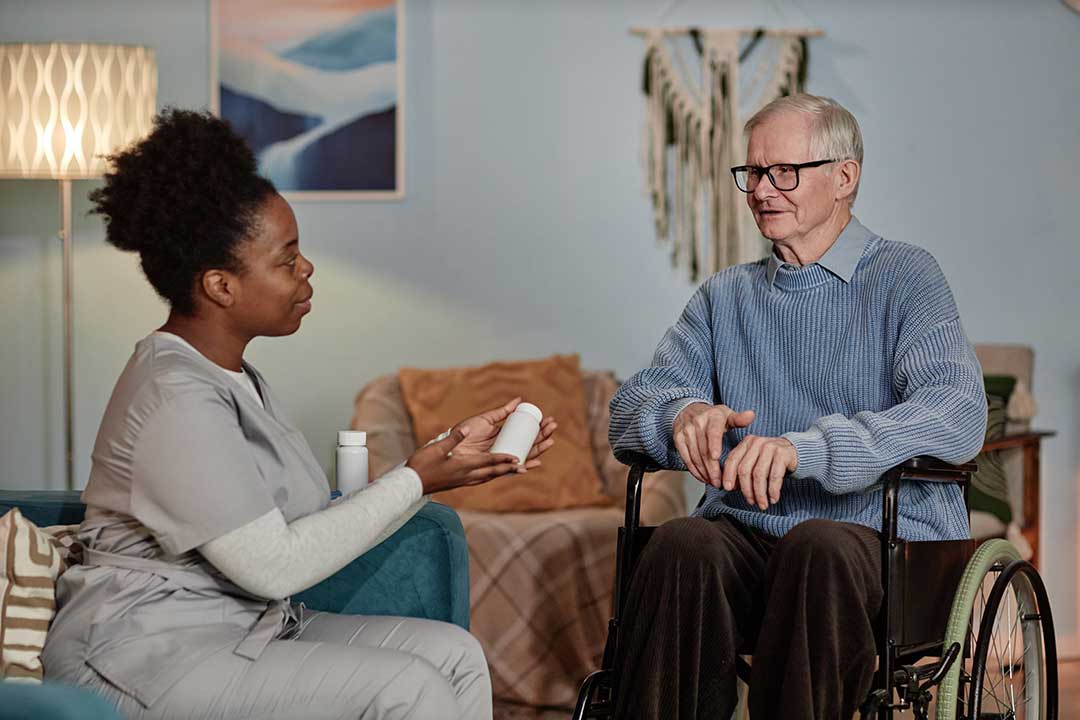
Because social workers understand area-specific challenges—such as effects from local weather, typical home layouts, or regional healthcare options—they can offer recommendations tailored to actual needs in the community.
Can Social Workers Advocate for Residents’ Rights?
Advocacy is a core responsibility for social workers. They ensure that residents’ voices are heard and their rights are respected. This involves:
- Mediating disagreements between residents and staff, or among residents themselves
- Explaining local, state, and federal regulations related to assisted living
- Supporting residents who may not have nearby family members or regular visitors
- Reporting suspected neglect, abuse, or violations of resident rights when necessary
Residents and their families often turn to social workers for clear information on rules, complaint procedures, or what to do if needs are not being met appropriately.
What Are Some Common Misunderstandings About Social Workers in Assisted Living?
Some residents and families believe social workers only intervene during crises or emergencies. In fact, involvement can be ongoing and positive—including celebrating birthdays, organizing social events, and offering encouragement in everyday life.
Another misconception is that social workers only focus on paperwork or government programs. While they are experts in navigating systems, much of their day is spent talking with residents, building relationships, and providing comfort.
Finally, social workers in assisted living are not substitutes for doctors, nurses, or physical therapists; instead, they complement those roles by focusing on the social and emotional aspects of wellness.
How Can Residents Make the Most of Social Work Services?
Residents are encouraged to view social workers as approachable resources for both small and significant concerns. Whether needing advice about moving, addressing loneliness, or understanding care rights, early conversations can help prevent challenges from becoming overwhelming.
Social workers can work with families, friends, and local partners to improve quality of life, often in ways that match the unique customs and values found in Fleetwood. Residents may benefit most by remaining open and honest about their needs—both spoken and unspoken.
