

Family involvement can help an older adult feel secure, understood, and connected after moving into assisted living. In Fleetwood, PA, relatives may also provide valuable knowledge about routines, preferences, health history, and seasonal concerns that staff cannot learn from records alone.
Family participation does not mean taking over daily care. The most helpful role is usually collaborative: staying informed, sharing observations, respecting the resident’s choices, and communicating clearly with the care team.
What does family involvement usually include?
Family involvement may range from occasional visits to regular participation in care planning. The appropriate level depends on the resident’s wishes, health needs, distance, family availability, and the assisted living community’s policies.
Common forms of involvement include:
- Visiting, calling, or using video communication
- Sharing information about the resident’s habits, personality, and past routines
- Attending care plan meetings when invited or authorized
- Helping organize clothing, personal items, photographs, or familiar foods
- Supporting transportation to medical appointments when appropriate
- Reviewing changes in medications, mobility, mood, sleep, or appetite
- Participating in activities that match the resident’s interests
- Helping the resident maintain relationships, religious practices, hobbies, and community connections
Some relatives live nearby and can visit often. Others may live farther away or have work, health, or caregiving responsibilities of their own. Consistent communication matters more than a particular number of visits.
How can relatives support a resident without reducing independence?
Family members can support independence by offering choices rather than giving constant instructions. An older adult may need help with certain tasks while still being able to decide what to wear, which activities to attend, when to call family, or how to arrange personal belongings.
A useful approach is to ask:
- “What would you like help with?”
- “Would you like me to stay while you decide?”
- “Should I share this concern with the care team?”
- “Would you prefer that staff handle this, or would you like family assistance?”
Taking over too quickly can unintentionally make a resident feel incapable. On the other hand, refusing all assistance may create safety concerns. The balance may change as health, memory, strength, or confidence changes.
Family members should also remember that assisted living is the resident’s home. Visits, room organization, food deliveries, personal care, and changes to furniture or decorations should reflect the resident’s preferences and the community’s safety rules.
What information should families share with staff?
Staff benefit from specific, practical information rather than general descriptions such as “They are acting differently.” Families can share details about what changed, when it began, and what circumstances seem connected.
Useful information may include:
- Normal sleep and eating patterns
- Preferred names, foods, routines, and activities
- Hearing, vision, communication, or language needs
- Religious, cultural, or personal preferences
- Past falls, medication reactions, or hospital stays
- Signs of anxiety, depression, confusion, or withdrawal
- Important relationships and sources of emotional comfort
- Typical responses to illness, pain, noise, or schedule changes
For example, a family member might explain that a resident becomes more confused after poor sleep or tends to avoid meals when the dining room is crowded. These observations can help staff distinguish a long-standing habit from a new concern.
Information should be shared through the appropriate communication channel, especially if it involves a medical symptom, fall, medication issue, or sudden change in behavior.
How should families communicate with the care team?
Clear communication works best when one or two family contacts coordinate questions and share updates with other relatives. This reduces repeated messages and makes it easier to identify patterns.
Families can prepare for care discussions by writing down:
- The concern
- When it started
- What the resident has said or done
- Whether the concern is getting better, worse, or staying the same
- Questions that need a direct answer
- Any agreed next steps and who will follow up
Residents generally have privacy rights regarding health and personal information. Staff may not be able to discuss details with every relative unless the resident has provided permission or another lawful arrangement applies. Families should ask the resident which people may receive updates and make sure those preferences are documented correctly.
Disagreements are easier to manage when communication remains focused on the resident’s needs rather than on blame. If a concern is not resolved, the family may ask about the community’s formal grievance or care review process.
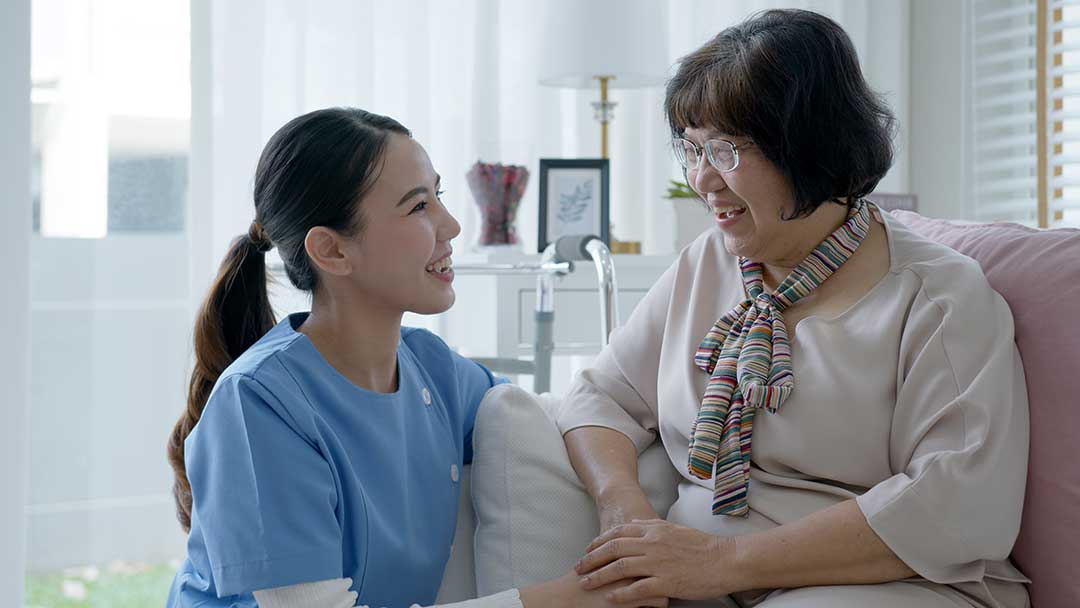
Can family members attend care plan meetings?
Family members may be able to participate in care planning if the resident agrees or has authorized them to be involved. The meeting may address personal care, mobility, nutrition, activities, medication management, appointments, mood, and safety.
Before attending, relatives can ask the resident:
- What is going well?
- What feels frustrating or uncomfortable?
- Which routines should stay the same?
- What kind of help feels respectful?
- Are there goals the resident wants to work toward?
The resident should remain central to the discussion whenever possible. A family meeting should not become a conversation held over the resident or about the resident as if they are not present.
Care plans should also be treated as changeable. A resident may need more assistance after an illness, surgery, fall, or period of poor nutrition, then regain some abilities later.
What should families watch for during visits?
Visits provide useful information, but one visit does not always show the full picture. Older adults may be tired, anxious, or unusually quiet during a particular day. Families should look for patterns over time.
Possible topics to notice include:
- Changes in clothing, grooming, or room organization
- Unexplained bruises, repeated falls, or difficulty walking
- Missed meals, dehydration, or noticeable weight change
- New confusion, sleepiness, agitation, or withdrawal
- Unopened mail, unpaid personal bills, or difficulty using familiar devices
- Loss of interest in activities the resident once enjoyed
- Signs that hearing aids, glasses, mobility devices, or personal items are missing
These observations do not automatically prove poor care. They may signal illness, medication effects, depression, adjustment difficulties, or a need to revise the care plan. The appropriate response is to document the concern and discuss it calmly with the responsible staff member.
Seasonal conditions can also affect residents. Cold weather, icy walkways, shorter daylight hours, and summer heat may influence mobility, clothing needs, hydration, transportation, and willingness to leave the building. Families visiting in Fleetwood can help by checking that seasonal clothing and needed personal items are available without creating clutter or fall hazards.
How can relatives handle family disagreements?
Families may disagree about finances, visits, medical decisions, room belongings, or whether a resident needs more support. These disagreements should be addressed according to the resident’s preferences, decision-making ability, legal documents, and applicable policies.
A practical process is to:
1. Ask what the resident wants.
2. Separate urgent safety issues from personal preferences.
3. Review written care plans and prior decisions.
4. Assign one person to communicate questions clearly.
5. Request a care conference if the issue affects daily support.
6. Seek legal or medical guidance when decision-making authority or health risk is unclear.
The loudest or most available relative does not automatically have authority to make decisions. Families should understand who is authorized to receive information and who may make decisions if the resident cannot do so.
What does healthy family involvement look like?
Healthy involvement is reliable, respectful, and centered on the resident’s quality of life. It includes listening to the resident, recognizing staff expertise, reporting meaningful changes, and avoiding unnecessary pressure.
Some families visit every week. Others provide support by making regular calls, coordinating paperwork, sending photographs, attending meetings remotely, or checking that the resident’s preferences remain known. The most useful pattern is one that the resident welcomes and the family can maintain.
A resident should not have to choose between family support and personal independence. With clear boundaries and steady communication, relatives can remain an important part of care while allowing assisted living staff to handle responsibilities safely and consistently.
