
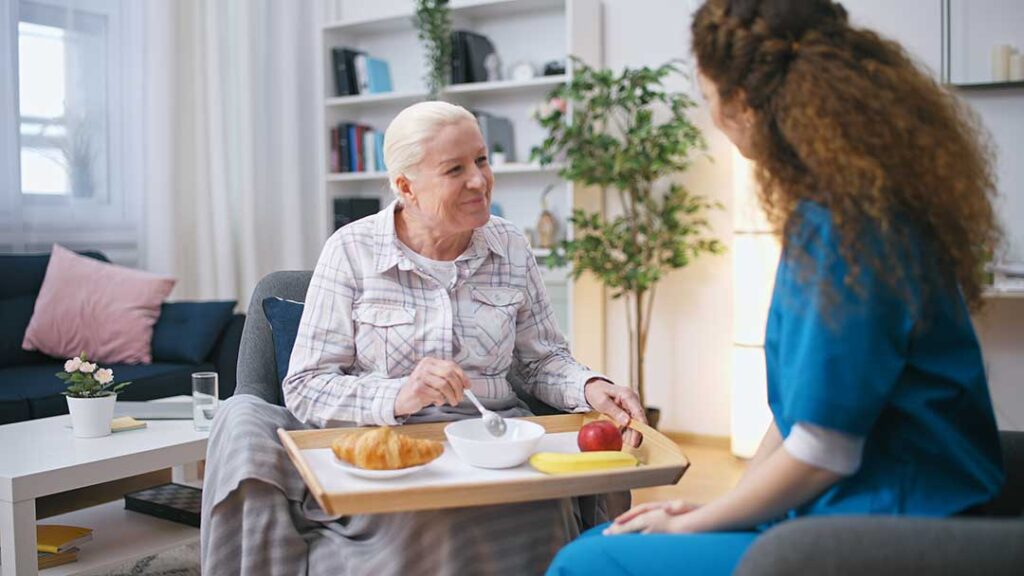
Adjusting to change can be challenging at any age, but for seniors in Fleetwood, Pennsylvania, life’s transitions often come with unique emotional and practical hurdles. Whether the change involves health, housing, social connections, or daily routines, families and caregivers can play a vital role in helping their loved ones navigate these transitions with compassion and confidence.
Understanding the Impact of Change on Seniors
As people age, they often encounter more frequent and significant changes—retirement, loss of loved ones, moving to assisted living, or adapting to new health realities. For seniors in a close-knit community like Fleetwood, the impact of change may be heightened by the ties that exist with neighbors, local traditions, and lifelong friendships. Recognizing the psychological and emotional toll that change can take is essential for providing meaningful support.
Common Changes Seniors Face in Fleetwood
Some typical changes seniors might experience include:
- Downsizing from a longtime family home
- Moving into an assisted living community such as those in or near Fleetwood
- Coping with the loss of a spouse, friend, or pet
- Adapting to new medical needs or reduced mobility
- Adjusting to shifts in community involvement or volunteering roles
Fleetwood’s friendly atmosphere, local parks, and active senior centers make it a special place to grow older, but these same connections can make goodbyes or major adjustments feel especially bittersweet.
Why Change Feels Challenging for Seniors
Change often means a loss of independence or familiar routines. Seniors in Fleetwood, accustomed to morning walks along Main Street or gathering at the Fleetwood Community Center, may feel a sense of displacement when those routines are disrupted. Cognitive changes or health concerns can add to the stress by making adaptation seem more daunting.
Strategies for Helping Seniors Cope With Change
1. Listen and Acknowledge Feelings
Before jumping into problem-solving mode, take time to listen. Let your loved one express their worries, sadness, or even anger about the upcoming change. Avoid minimizing their concerns; sometimes, just being heard can help them process their emotions.
2. Involve Seniors in Decisions
Whenever possible, include your loved one in important choices. For example, if a move is needed, tour local assisted living options together in Berks County. If new health routines are necessary, discuss different ways to structure medication schedules or physical activity. Involvement fosters a sense of agency, reducing anxiety about the unknown.
3. Maintain Familiar Routines
Routines bring comfort. Help your loved one keep up with Fleetwood traditions, like weekly visits to the farmers’ market or coffee at their favorite local café. If change makes these routines impossible, consider creative alternatives: virtual visits with local friends or finding similar activities within their new community.
4. Encourage Social Connections
Isolation often worsens the stress of change. Encourage ongoing relationships, whether through church groups, senior programs, or video calls with grandchildren. Fleetwood’s senior clubs and community gatherings provide support and companionship, even if participation must shift to accommodate new needs.
5. Focus on the Positives
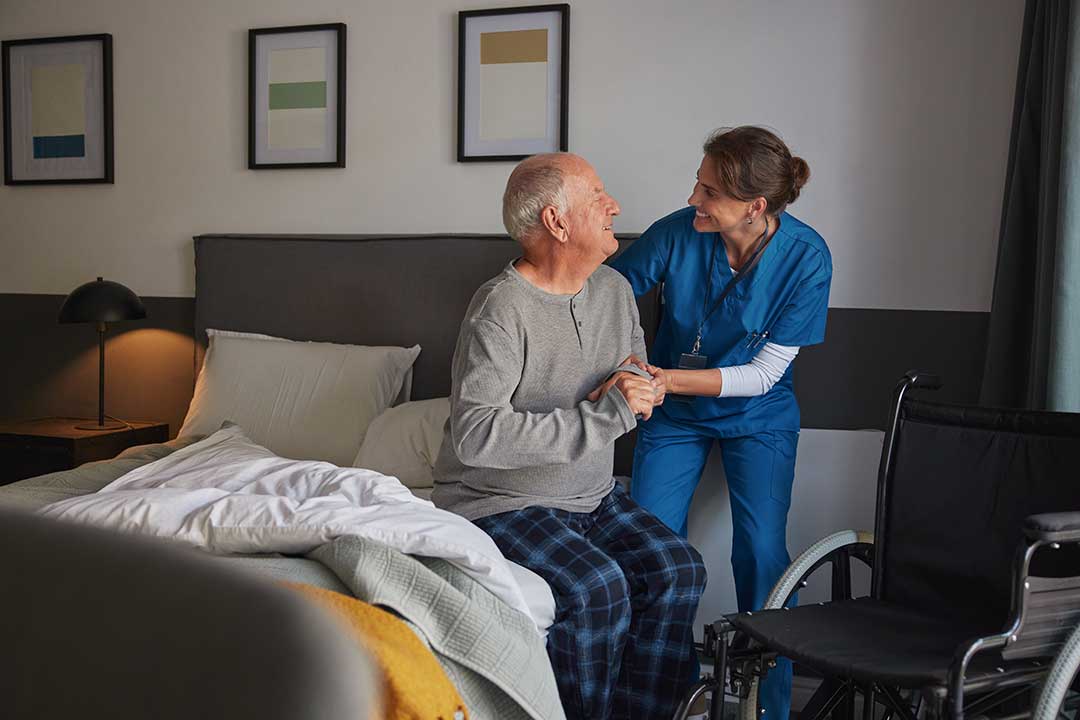
Every change brings new opportunities. If your loved one moves to an assisted living residence, highlight the chances to meet new friends, join hobby groups, or enjoy amenities they didn’t have at home. Share stories of other Fleetwood seniors who have discovered unexpected joys in their new chapter.
6. Seek Professional Support When Needed
Sometimes, adjusting to change brings on depression, anxiety, or cognitive issues that go beyond normal sadness. Don’t hesitate to reach out to local mental health professionals, support groups, or counselors familiar with the challenges facing the senior population in Fleetwood and Berks County.
Resources for Seniors and Families in Fleetwood
Fleetwood is fortunate to offer various programs and services designed for older adults:
- Fleetwood Area Senior Center provides daily activities, meals, exercise classes, and social outings.
- Berks Encore offers support services, transportation, and community engagement opportunities for seniors across Berks County.
- Local religious organizations often have volunteer programs, visitation, and support networks.
- Fleetwood Public Library hosts events and reading groups that are inclusive of seniors.
Connecting with these resources can help seniors maintain a sense of belonging and continuity, even as other aspects of their life are changing.
Helping Yourself So You Can Help Others
Caring for aging loved ones through big life changes isn’t easy. Family members should also seek support—from local groups, online communities, or respite care services—so they can stay energized and positive. Remember, you’re part of the vibrant network that makes Fleetwood such a special place to age with dignity.
Conclusion: A Community That Cares
Seniors in Fleetwood, Pennsylvania, have the advantage of living in a supportive community, but change is hard for everyone. By listening, involving seniors in decisions, keeping up local traditions, and connecting them with resources, families can help their loved ones navigate change with resilience and hope. Embracing both old memories and new beginnings, Fleetwood families can ensure their seniors feel valued and secure—no matter what changes life brings.
