
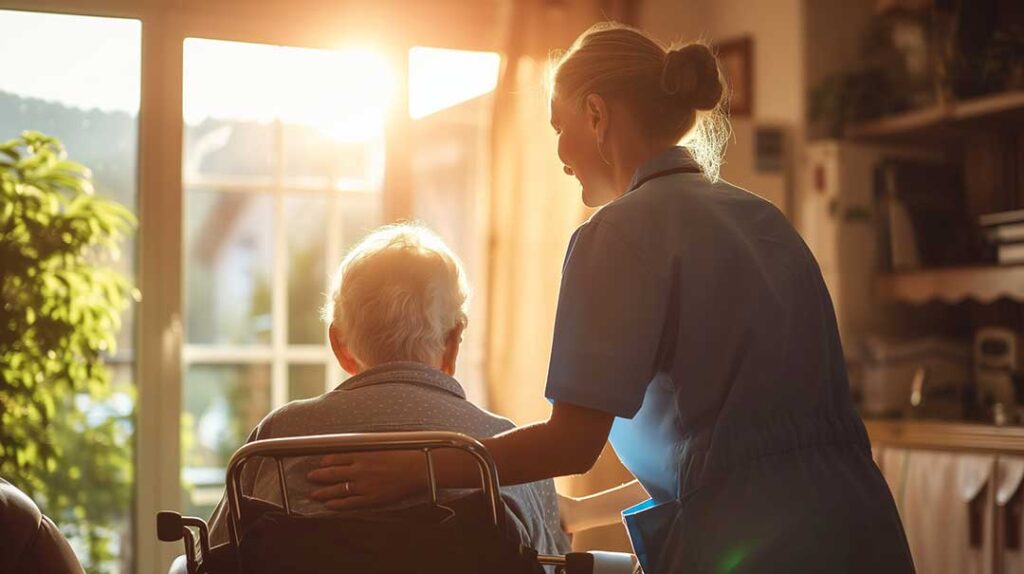
For many families in Fleetwood, Pennsylvania, the journey of caring for an aging loved one involves difficult conversations and critical decisions. One of the most profound topics is how assisted living communities approach end-of-life care. By understanding what to expect, families can ensure their loved ones receive compassionate, dignified support in their final chapter, all while remaining connected to the close-knit community values that define Fleetwood.
What Is Assisted Living?
Assisted living communities provide a balance between independence and support for seniors who may need help with daily activities but do not require full-time nursing care. These communities often offer:
- Personalized support with dressing, bathing, and medication management
- Nutritious meals tailored to dietary preferences
- Opportunities for social engagement and recreation
- Maintenance-free living and accessible accommodations
In Fleetwood, where neighbors know each other by name and families value community ties, local assisted living residences mirror these values by fostering meaningful relationships and creating a homelike environment.
Transitioning from Assisted Living to End-of-Life Care
While assisted living focuses on promoting independence, there may come a time when a resident’s needs shift toward comfort and quality of life at the end of life. Many families in Fleetwood wonder: *What happens when my loved one in assisted living nears the end of life?*
Recognizing the Signs
Common signs that a resident may need end-of-life care include:
- Increasing need for assistance with basic tasks
- Loss of appetite and marked weight loss
- Frequent hospitalizations or worsening chronic conditions
- Withdrawal from social activities
Assisted living staff are trained to recognize these signs and will work closely with families to discuss next steps.
How Assisted Living Communities Approach End-of-Life Care
Assisted living communities in Berks County, including the Fleetwood area, tailor their approach to each resident’s needs. End-of-life care might involve:
- Enhanced attention to comfort, pain management, and symptom relief
- Emotional and spiritual support for residents and their families
- Collaboration with home health or hospice services that specialize in end-of-life care
Local assisted living communities often have established partnerships with nearby hospice providers, ensuring seamless access to compassionate care when it’s needed most.
The Role of Hospice and Palliative Care in Assisted Living
Hospice and palliative care are commonly integrated into the assisted living setting for those nearing the end of life. Here’s how each plays a role:
- *Palliative Care*: Focuses on comfort, pain management, and quality of life even as residents continue to pursue some treatment for medical conditions.
- *Hospice Care*: Designed for those with a prognosis of six months or less to live. It provides comprehensive physical, emotional, and spiritual support.
In Fleetwood, families can expect local hospice teams to visit their loved ones in the assisted living facility, allowing residents to remain in familiar surroundings and maintain important connections.

What Should Families Ask When Looking for End-of-Life Support?
If your loved one is in an assisted living community in Fleetwood, it’s important to know what questions to ask about end-of-life care:
- What types of end-of-life services and supports are available onsite?
- How do you coordinate with local hospice and palliative care providers?
- Can my loved one remain in their current apartment if their needs change?
- What spiritual or cultural support services do you provide?
- How do you communicate with families during this stage?
Local facilities in Fleetwood often pride themselves on transparency and open, supportive communication with families.
Supporting Loved Ones and Themselves: Advice for Fleetwood Families
End-of-life care is as much about families as it is about residents. Here are some key considerations for families navigating this time:
- Make time for open conversations with staff and care teams about your loved one’s wishes.
- Take advantage of grief and counseling resources—many local churches, community centers, and hospice programs in Fleetwood offer support groups.
- Engage in meaningful activities with your loved one, whether it’s reminiscing about cherished local spots, listening to favorite music, or simply spending quiet time together.
Fleetwood’s strong sense of community can be a vital source of comfort and connection during this period.
Preserving Dignity and Respect
Above all, end-of-life care in assisted living is about ensuring that each individual’s preferences, values, and dignity are honored. Personalized care plans are tailored not just to medical needs but to the routines and rituals that matter most—whether that’s celebrating local traditions, sharing stories of Fleetwood’s past, or honoring spiritual beliefs.
Conclusion: Navigating End-of-Life Care with Confidence
Making decisions about end-of-life care is never easy, but knowledge and preparation can bring peace of mind. In Fleetwood, where community and family matter, assisted living communities are committed to walking this journey alongside residents and their families with kindness, respect, and support. By understanding your options and asking the right questions, you can help your loved one experience comfort, dignity, and connection in the way that reflects your family’s values.
For families facing this chapter, remember: You are not alone. Fleetwood’s tradition of neighborly support, faith, and compassion extends into the assisted living communities, ensuring that every resident—and their family—receives the care and understanding they deserve.
