
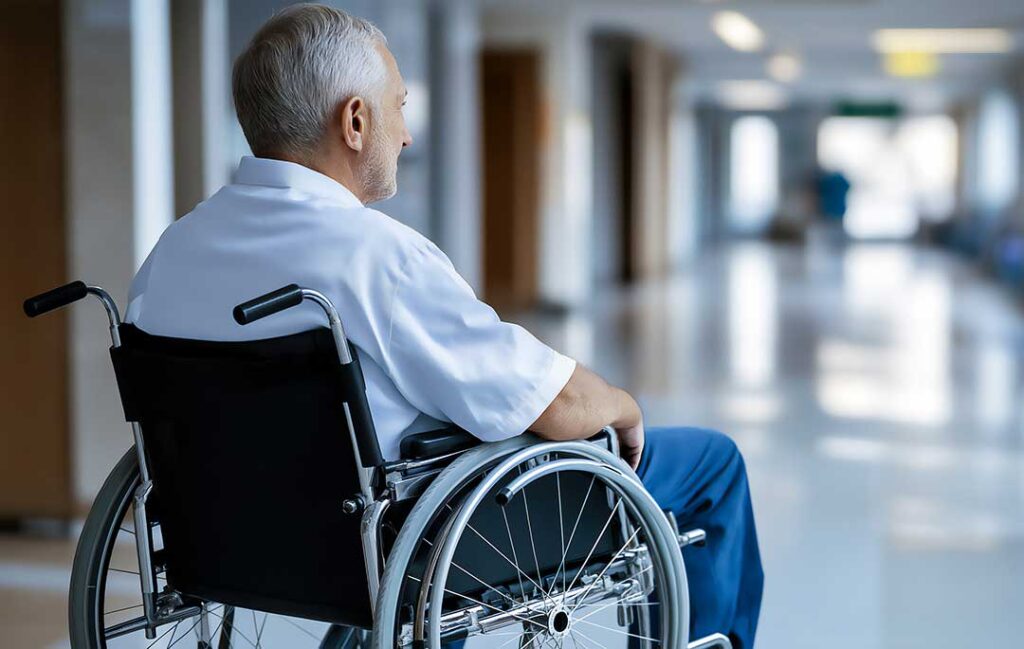
What Does Healthy Aging Mean for Assisted Living Residents?
Healthy aging involves maintaining physical, mental, and emotional well-being as adults grow older, especially in assisted living settings. For residents in communities like Fleetwood, PA, healthy aging supports greater independence, comfort, and quality of life.
Understanding healthy aging goes beyond simply preventing illness. It covers adapting daily routines, staying socially involved, and managing health conditions with a positive outlook—all shaped by local environment, community support, and seasonal factors.
How Can Nutrition Support Well-Being in Assisted Living?
Eating balanced meals makes a significant impact on energy, mood, and disease prevention. In Fleetwood’s assisted living communities, meal planning often considers dietary preferences, but residents can take steps themselves, such as:
- Choosing whole grains, fresh produce, and lean proteins when available
- Watching portion sizes to keep energy balanced
- Staying hydrated, especially during humid Pennsylvania summers and dry winter months
Food options may vary by facility, but communicating preferences with care staff or family helps ensure enjoyable and suitable meals. Residents with special dietary restrictions, such as low-sodium or diabetic diets, should ensure these needs are understood and clearly documented.
What Role Does Physical Activity Play in Healthy Aging?
Regular movement is linked to better mobility, lower fall risk, and improved mood. Assisted living residents can maintain an active lifestyle regardless of mobility level.
For many in Fleetwood, indoor walking in common areas, low-impact chair exercises, and gentle stretching are popular, particularly during colder months. Residents can also consider:
- Participating in group exercise classes offered within their community
- Engaging in short nature walks on safe, level pathways when weather allows
- Asking staff about daily movement opportunities matched to individual needs
Even light activity, such as tending to plants or simple yoga, helps maintain joint flexibility and cardiovascular health. It’s better to stay consistent rather than focus on intensity.
How Can Seniors Maintain Cognitive Health and Mental Wellness?
Staying mentally active is just as essential as physical exercise. Cognitive well-being includes memory, reasoning, and emotional balance. Frequent activities that support brain health include:
- Joining group games such as cards, puzzles, or trivia
- Engaging in conversations with other residents or family, in person or virtually
- Taking part in creative hobbies—drawing, knitting, music, or reading
The community atmosphere in assisted living provides social stimulation, but it’s common for some residents to feel lonely, especially after a move or during the winter. Participating in group programs or reaching out to staff and peers for companionship helps guard against isolation.
How Can Residents Protect Personal Safety at Assisted Living Facilities?
Safety is a key aspect of healthy aging. In local assisted living communities, this is supported by trained staff and adapted building features, but personal awareness further reduces risk. Steps to consider:
- Using provided mobility aids (canes, walkers) as recommended
- Wearing sturdy, slip-resistant footwear inside and outdoors
- Reporting hazards like spills or broken lights promptly to staff
- Understanding fire and weather preparedness routines, especially as snow or icy conditions can affect outside areas in Fleetwood
Staying aware of personal safety helps residents confidently participate in activities and community life.
What Medical Considerations Matter Most for Older Adults in Assisted Living?
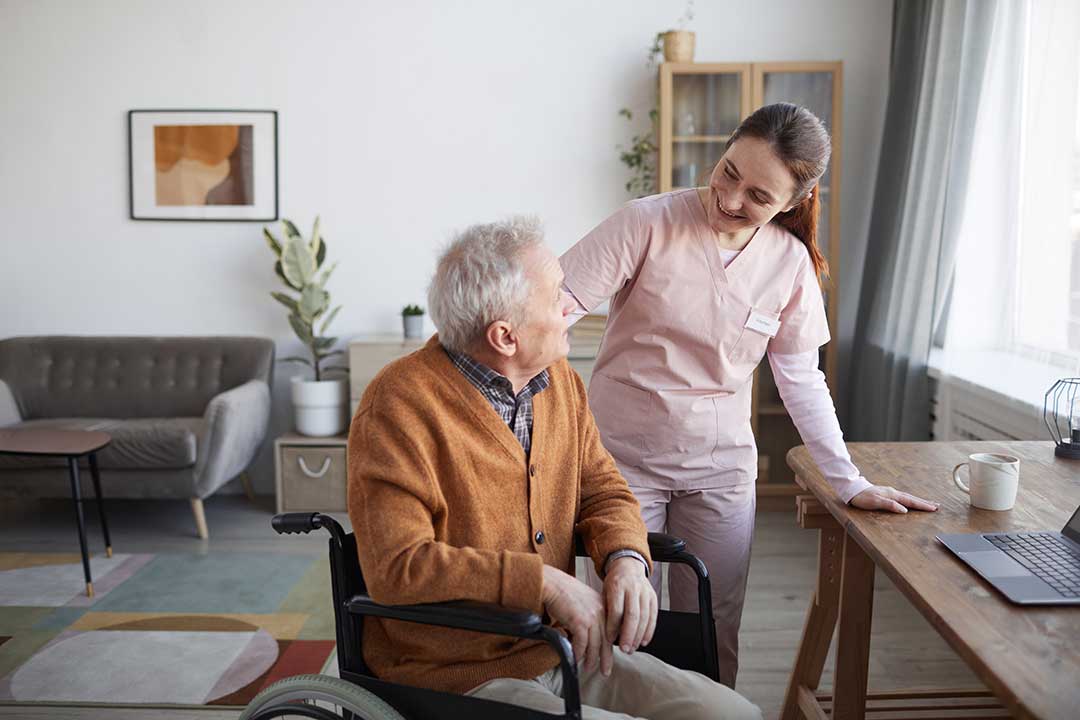
Chronic health issues—including diabetes, hypertension, and arthritis—are common among older adults. Assisted living communities offer help with daily medications, coordination with local healthcare providers, and transportation to appointments.
Residents benefit from keeping an up-to-date list of their medications, allergies, and chronic conditions accessible. Key points:
- Schedule annual flu shots and routine health screenings as recommended
- Let staff know about new symptoms, even if mild, as early intervention is often easier
- Ask questions and stay informed about personal care plans
Those living in assisted living should also plan for seasonal illnesses and changes in local weather, such as staying up-to-date on vaccinations before winter flu season.
Are Social Connections Really That Important for Healthy Aging?
Consistent social engagement helps keep spirits high and delays common age-related decline. Staying connected can mean participating in group activities, forming friendships with neighbors, or keeping in touch with family.
Local community spaces, such as gathering rooms and gardens, encourage social interaction. Residents might enjoy:
- Attending movie nights or interest groups
- Spending time outside during Fleetwood’s milder seasons
- Taking part in community events or celebrations
Building social routines into the week can ease the transition to assisted living and foster a sense of belonging.
What Should Residents Know About Adapting to Life in Assisted Living?
Adjusting to a new living environment brings practical and emotional changes. The key is embracing routines that support personal preferences and maintaining involvement in community life. Tips for a smoother transition:
- Personalize living space with familiar items and photos
- Gradually explore community events at a comfortable pace
- Reach out for support when feeling uncertain or overwhelmed
Residents new to assisted living may need time to settle in. Patience with the process and gentle self-encouragement help ease this significant change.
